Buying a Period Property in Beverley and Hull: What You Need to Know
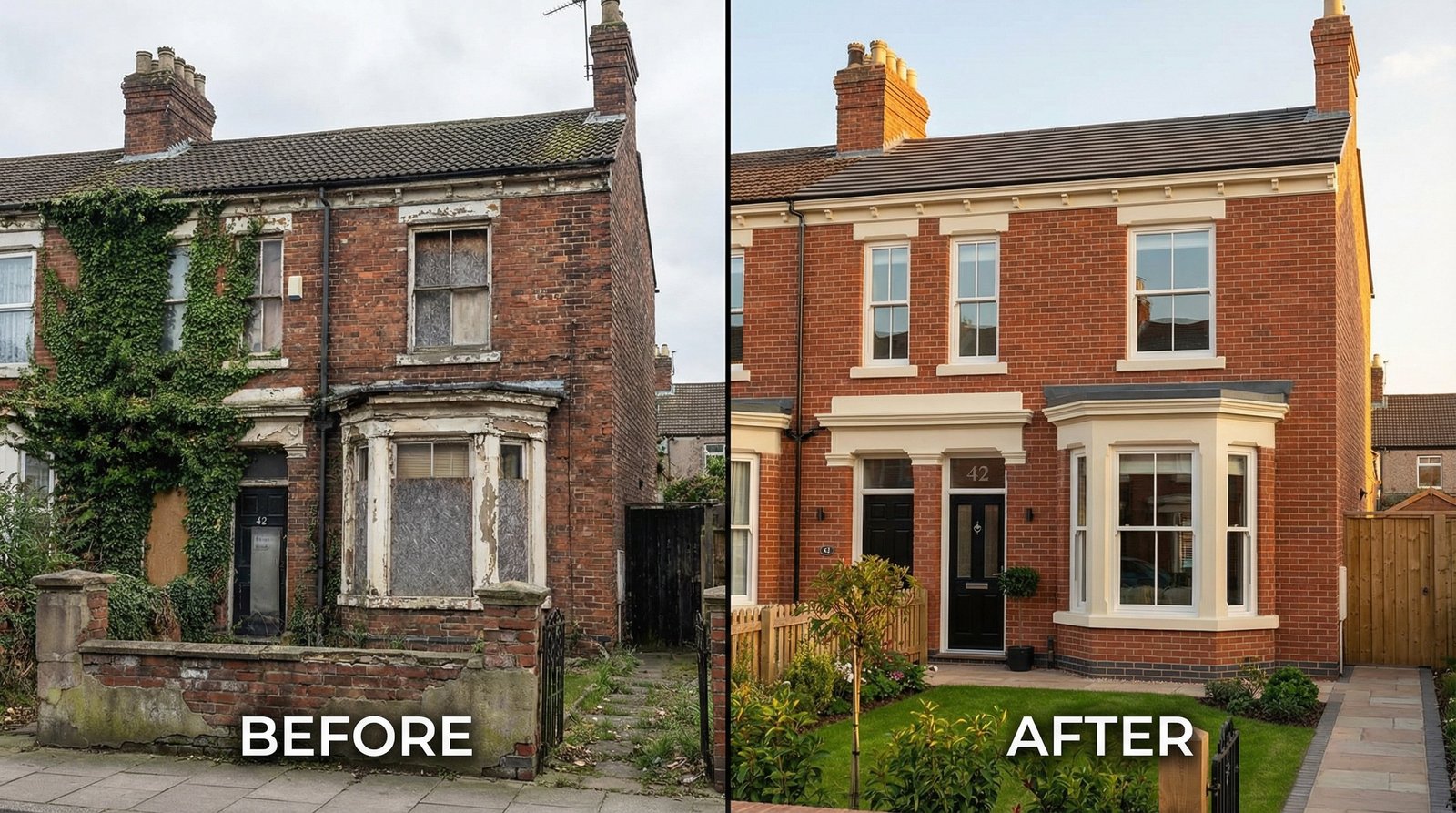
Period properties offer unique character, architectural beauty, and a tangible connection to history that modern homes simply cannot match. Across Beverley and Hull, Victorian, Edwardian, and Georgian properties attract buyers seeking charm, space, and distinctive features. However, buying a period property requires careful consideration, specialist knowledge, and comprehensive surveying to avoid costly surprises.
As RICS chartered surveyors specializing in period property surveys, we've assessed hundreds of historic homes across East Yorkshire. This comprehensive guide shares everything you need to know about buying period properties, from understanding different eras to navigating surveys, planning permissions, and renovation considerations.
What Defines a Period Property?
Period properties are buildings constructed during specific historical eras, typically pre-1919, exhibiting characteristic architectural styles and construction methods of their time. In Hull and Beverley, period properties predominantly fall into three main categories:
- Georgian (1714-1830): Elegant proportions, sash windows, symmetrical facades
- Victorian (1837-1901): Ornate details, bay windows, high ceilings, decorative features
- Edwardian (1901-1910): Arts and Crafts influence, larger rooms, improved services
Victorian Properties (1837-1901)
Victorian properties are the most common period homes in Hull and Beverley, ranging from workers' terraces to grand villas.
Characteristic Features
- Red or yellow brick construction with decorative brickwork patterns
- Slate roofs with ornate ridge tiles and finials
- Sash windows with decorative glazing bars
- High ceilings (typically 3+ meters on ground floor)
- Ornate cornicing and ceiling roses
- Tiled hallways with geometric patterns
- Cast iron fireplaces in most rooms
- Bay windows on ground and first floors
- Decorative stonework around doors and windows
- Cellars for coal storage
Common Victorian Property Types in Hull
- Back-to-back Terraces: Workers' housing, compact, limited natural light
- Through Terraces: Front and rear access, more spacious than back-to-backs
- Bay-fronted Terraces: Middle-class housing with additional space and light
- Semi-detached Villas: Substantial properties with gardens
- Detached Villas: Large family homes, often with extensive grounds
Typical Victorian Issues
- Lack of damp-proof courses (DPC) - rising damp common
- Solid wall construction - no cavity, prone to penetrating damp
- Original single-glazed sash windows requiring repair
- Slate roofs nearing end of life after 150+ years
- Settlement cracks from shallow foundations
- Outdated electrical and plumbing systems
- Poor thermal efficiency without insulation
- Chimneys requiring maintenance or removal
Victorian Terrace in Hull's Old Town
We recently surveyed an 1870s terraced property in Hull's Old Town. While the property featured beautiful original tiles, cornicing, and fireplaces, our Level 3 survey identified rising damp throughout the ground floor, structural movement at the rear (arrested but requiring monitoring), a roof requiring complete renewal within 5 years (£8,000), and outdated electrics needing full rewire (£4,500). The buyer used these findings to negotiate a £15,000 price reduction and plan renovation priorities.
Edwardian Properties (1901-1910)
Edwardian homes represent a transition period, combining Victorian grandeur with improved construction standards and modern conveniences.
Characteristic Features
- Larger rooms with better proportions than Victorian equivalents
- Arts and Crafts movement influence in design details
- Improved damp-proofing and drainage
- Wider hallways and larger windows providing better light
- Purpose-built bathrooms (rare in earlier Victorian homes)
- Electric lighting installed from construction
- Parquet or wooden strip flooring
- Decorative stained glass features
- Roughcast or pebbledash exterior rendering
Common Edwardian Issues
- Failed or deteriorating damp-proof courses
- Pebbledash or roughcast requiring maintenance
- Original lead plumbing needing replacement
- Electrical systems over 100 years old
- Single glazing throughout
- Settlement issues similar to Victorian properties
Georgian Properties (1714-1830)
Georgian properties are rarer in Hull but more common in Beverley's historic town center, representing the pinnacle of period elegance.
Characteristic Features
- Symmetrical facades with balanced proportions
- Sash windows in regular arrangement
- Paneled front doors with fanlights above
- Lime mortar and plaster throughout
- High-quality craftsmanship in joinery and stonework
- Original fireplaces and period features
- Often listed buildings with heritage protection
Georgian Property Challenges
- Listed building restrictions on alterations
- Requirement for breathable lime-based materials
- No damp-proof courses (constructed before invention)
- Single-glazed windows (replacement often prohibited)
- Extremely outdated services requiring sympathetic upgrading
- Specialist maintenance required
Beverley's Period Property Market
Beverley's historic market town status means it has a particularly rich stock of period properties, many within conservation areas.
Beverley Town Center
- Concentration of Georgian and Victorian buildings
- Many properties listed or in conservation areas
- Character properties commanding premium prices
- Strict planning controls protecting historic character
- Mix of residential and commercial period buildings
Planning and Conservation Considerations
- Conservation Area Consent required for external alterations
- Listed Building Consent for any changes to listed properties
- Restrictions on replacement windows and doors
- Limitations on extensions and conversions
- Requirement to use traditional materials and methods
Essential Survey Requirements for Period Properties
Period properties always require comprehensive surveys due to their age, construction methods, and potential issues.
Why Level 3 Building Surveys Are Essential
- Identifies hidden defects in older construction
- Assesses structural condition and historic movement
- Evaluates suitability of modern alterations
- Provides detailed cost estimates for repairs
- Advises on appropriate materials and methods
- Identifies issues requiring specialist investigation
What Our Period Property Surveys Examine
- Structural integrity and historic movement patterns
- Original construction methods and materials
- Condition of roof structure and coverings
- Damp issues (rising, penetrating, condensation)
- Timber condition (rot, beetle infestation)
- Services condition (electrical, plumbing, heating)
- Windows and doors (repair vs replacement requirements)
- Previous alterations and their impact
- Drainage systems (often original Victorian)
Common Period Property Defects
- Rising Damp: No or failed DPC - expect £3,000-£6,000 for treatment
- Roof Issues: Original slate roofs nearing end of life - £6,000-£12,000 for renewal
- Structural Movement: Historic settlement usually arrested but requiring monitoring
- Timber Decay: Wet rot in windows/doors, beetle infestation in roof timbers
- Outdated Services: Electrical rewires (£4,000-£7,000), plumbing upgrades (£3,000-£6,000)
- Single Glazing: Poor thermal efficiency, high energy costs
- Solid Walls: No cavity insulation, expensive to improve thermal performance
Listed Buildings: Additional Considerations
Many period properties in Beverley and Hull's Old Town have listed status, bringing both prestige and responsibilities.
Grades of Listing
- Grade I: Exceptional interest (rare)
- Grade II*: Particularly important buildings of more than special interest
- Grade II: National importance and special interest (most common)
Listed Building Implications
- Consent required for virtually all alterations (internal and external)
- Must use appropriate traditional materials
- Specialist contractors often required
- Higher maintenance and repair costs
- Restrictions on energy efficiency improvements
- Potential grants available for repairs
Renovation and Running Costs
Period properties typically require higher maintenance and running costs than modern equivalents.
Typical Annual Maintenance Budget
- General maintenance: 1-2% of property value annually
- Listed buildings: 2-3% of property value
- Major works fund: Additional 0.5-1% for roof, rewire, etc.
Energy Efficiency Challenges
- Solid wall construction provides poor insulation
- Single glazing causes significant heat loss
- High ceilings increase heating volumes
- Original fireplaces cause drafts if not blocked
- Expect higher energy bills than modern equivalents
- EPC ratings typically D, E, or F
The Benefits of Period Property Ownership
Despite challenges, period properties offer significant advantages:
- Character and Charm: Unique features impossible to replicate in modern builds
- Solid Construction: Quality materials and craftsmanship built to last
- Spacious Rooms: High ceilings and generous proportions
- Desirable Locations: Often in established, sought-after areas
- Investment Potential: Well-maintained period properties hold value
- Original Features: Fireplaces, cornicing, flooring add character
- Gardens: Mature gardens with established planting
Tips for Period Property Buyers
- Always commission a Level 3 building survey
- Budget realistically for renovation and maintenance
- Research planning restrictions before purchasing
- Find specialists experienced in period property work
- Check for grants if property is listed
- Factor in higher running costs
- Consider the commitment required for proper maintenance
- Ensure mortgage lender accepts period property
- Check buildings insurance costs for older properties
Hull and Beverley: Where to Find Period Properties
Hull Areas
- Old Town: Georgian and Victorian buildings, many listed
- Newland: Victorian terraces and villas
- Avenues: Large Edwardian and Victorian houses
- Cottingham: Mix of period properties
Beverley Areas
- Town Center: Georgian and Victorian properties, conservation area
- Minster Area: Character properties near Beverley Minster
- Walkington: Period village properties
- Surrounding Villages: Period farmhouses and cottages
Conclusion
Buying a period property in Beverley or Hull offers the opportunity to own a piece of history, with character and charm that modern homes cannot replicate. However, period property ownership requires commitment, realistic budgeting, and comprehensive surveying to identify potential issues before purchase.
A thorough Level 3 building survey is not optional for period properties - it's essential protection for what is likely your biggest financial investment. Our experienced RICS chartered surveyors understand the unique characteristics, common problems, and appropriate solutions for Victorian, Edwardian, and Georgian properties across East Yorkshire.
With proper survey information, realistic expectations, and appropriate maintenance, period property ownership can be immensely rewarding, providing a beautiful, characterful home with enduring value and appeal.
Buying a Period Property in Beverley or Hull?
Our RICS chartered surveyors specialize in period property surveys, providing comprehensive assessments that identify issues, estimate repair costs, and help you make informed decisions about your purchase.
Book Your Period Property Survey